


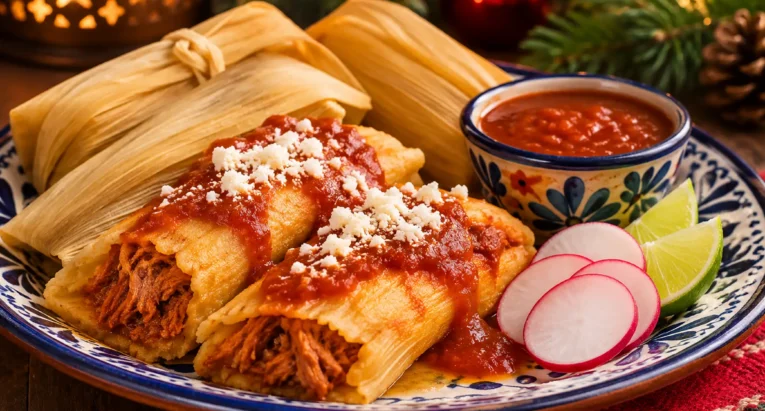
Quick answer: Holiday eating with diabetes works best with a plan, not a ban. Fill half your plate with non-starchy vegetables, one quarter with protein, and one quarter with starch. Eat close to your usual times, check your blood sugar the way your care team has taught you, and save room for the treats you truly love.
Holiday Eating With Diabetes: A Plan for Posole, Tamales, and the Rest of the Table
November is American Diabetes Month, and it opens the longest eating season of the year. Thanksgiving comes first, and the gatherings keep going into January.
For many families in Artesia, Carlsbad, and the Pecos Valley, the holiday table means more than turkey. It means posole, tamales, green chile stew, and a plate of biscochitos made from a family recipe.
This guide is about the table, not the diagnosis. If you want the basics on type 2 diabetes, prediabetes, and warning signs, start with our Diabetes Care in Eddy County guide. Here, we focus on how to eat the foods you love and still look after your blood sugar.
What is the simplest way to build a holiday plate with diabetes?
The simplest way is the Diabetes Plate Method from the American Diabetes Association. Fill half your plate with non-starchy vegetables, one quarter with protein, and one quarter with carbohydrate foods. It works at any meal, and it needs no measuring.
Start with the vegetables, then add the protein. Use the last quarter for the starch you care about most. That quarter holds tortillas, tamale masa, hominy, potatoes, stuffing, rolls, rice, beans, and corn.
Think of the plate as a starting point. If you take mealtime insulin or count carbohydrates, your care team may have set a different target for each meal. In that case, follow your plan.
Discover the full range of AGH providers and services—explore our complete directory to find the right resources and support.
Where do New Mexico holiday favorites fit on the plate?
Most of them fit somewhere. The trick is knowing which section a dish belongs in, because many holiday dishes put starch and protein in the same bite. This table shows where common favorites land.
| Dish | Where it goes | How to plan it |
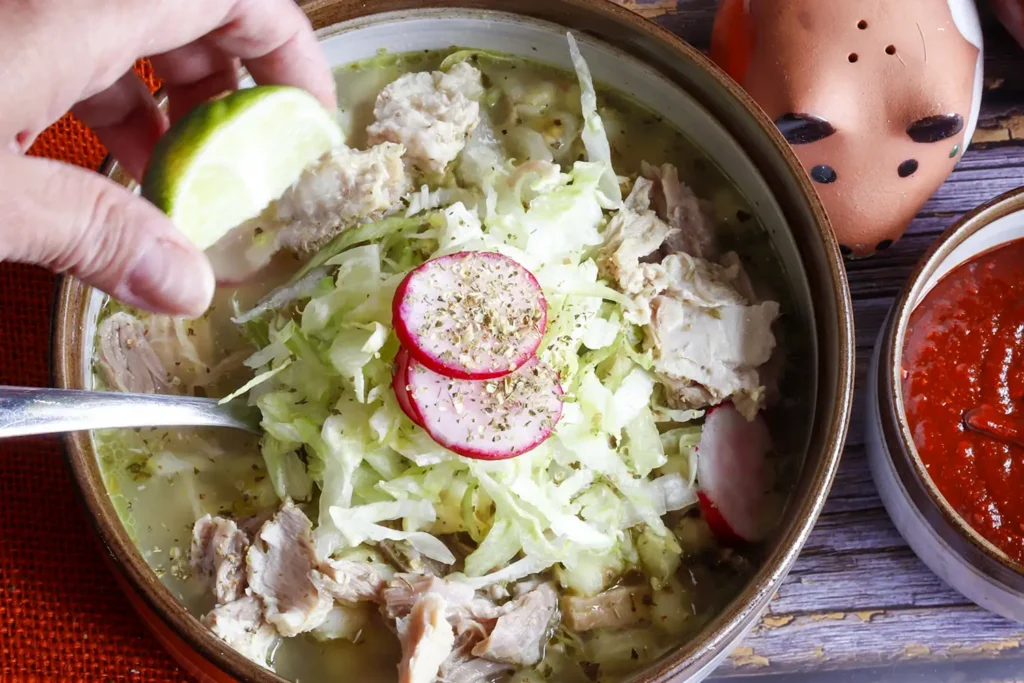
| Posole | Starch (hominy) plus protein (pork) | Have one measured bowl, then fill the rest of your plate with salad or vegetables. Go easy on tortillas and rice alongside it. |
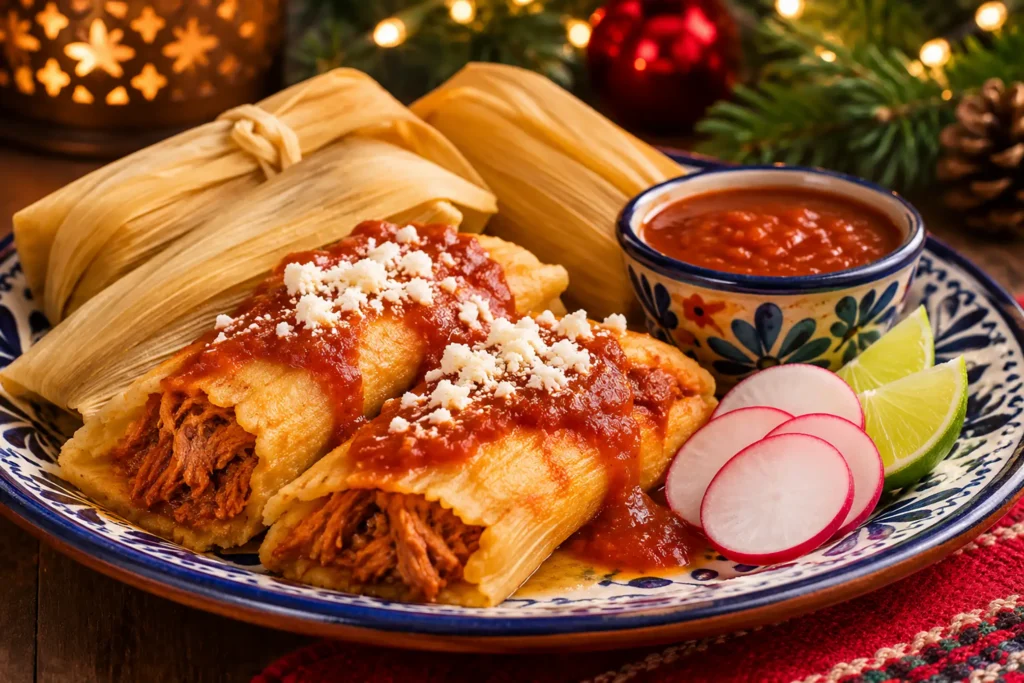
| Tamales | Starch (masa) plus protein (filling) | Count the tamale as your starch. Pair it with vegetables instead of adding rice, beans, and tortillas on top. |
| Green chile stew | Protein and vegetables, often with potatoes | The chile and meat fit well. Potatoes count as starch, so skip the extra roll. |
| Tortillas, sopaipillas, fry bread | Starch | Choose one as your starch for the meal. Treat sopaipillas with honey as dessert. |
| Beans and rice | Starch | Pick one as your starch, or take a small spoonful of each. |
| Calabacitas, salad, roasted vegetables | Non-starchy vegetables (corn counts as starch) | Fill half your plate here. Go light on added butter and cheese. |
| Biscochitos, pan dulce, pie | Dessert | Plan one small portion, and trade it for some of the starch on your plate. |
Recipes vary from kitchen to kitchen. A tamale with more masa or a posole with more hominy changes the math. Our registered dietitian can look at your family recipes with you and help you fit them into your plan.
| Want help planning your holiday meals? Call AGH Nutrition Services at 575-736-8415, ext. 1402, to talk with registered dietitian Jordan Fuentes, MS, RDN, LDN. |
How should I handle mealtimes and a long day of eating?
Eat close to your usual times, and do not skip meals to save room for the feast, according to the CDC. Going in very hungry makes it easier to overeat. If dinner is served late, have a small snack at your normal mealtime and eat a little less when the meal arrives.
At the table, fill at least half your plate with vegetables first. Eat slowly, because your brain needs about 20 minutes to register that you are full, and drink plenty of water. If a gathering has too many treats for one meal, ask your host to send a favorite home with you for later.
Then get moving. Even 10 minutes of walking after a big meal helps, and it gives you a reason to step outside with family.
What about dessert and alcohol?
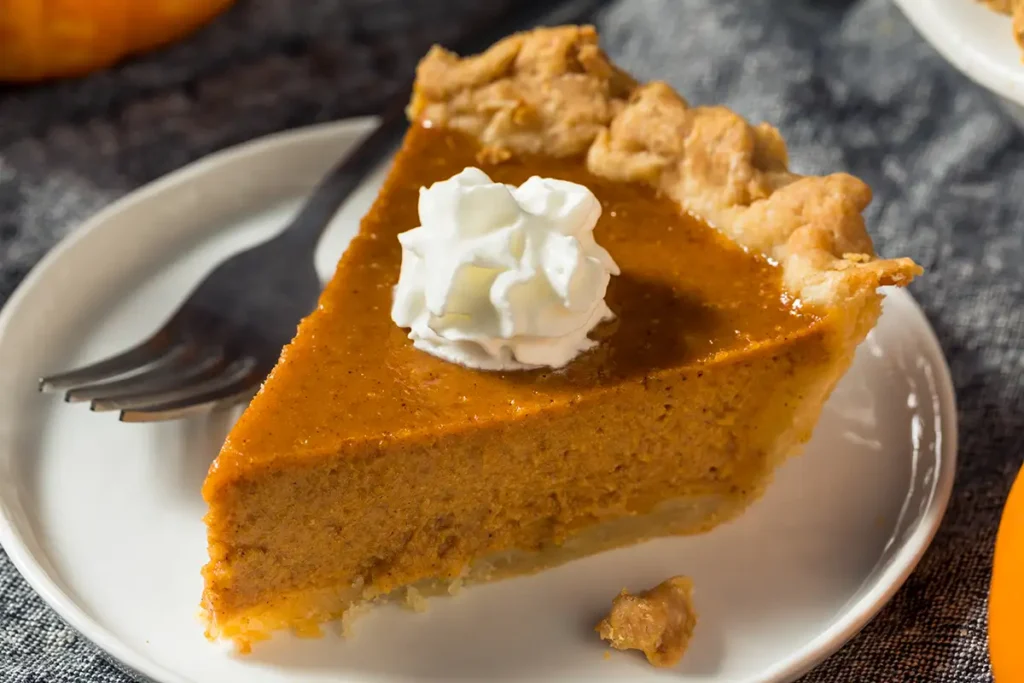
Yes, you can have dessert. Plan for it instead of grabbing it by surprise. Pick the one or two sweets you love most, and cut back on other starches, such as potatoes, bread, or extra tortillas, to make room.
Alcohol needs more care. The CDC advises avoiding or limiting it. If you drink, eat food with it and skip sugary mixers such as juice or soda. Alcohol can also lower blood sugar, which matters most if you take insulin or certain diabetes pills. Ask Dr. Ferraro or your care team whether your medicines make drinking riskier for you.
What should I do if my blood sugar runs high after a big meal?
One high reading after a holiday meal does not undo your care. Return to your usual plan at the next meal. Do not skip meals, and do not change your insulin or medication dose on your own to make up for what you ate.
Keep checking your blood sugar, even in the middle of the festivities. If your care team has asked you to check two hours after meals, a holiday meal is a good time to do it. Call your care team if your numbers stay high or you feel unwell. Our Eddy County guide lists the warning signs that need emergency care, and when in doubt, go to the emergency room.
How can family and friends support someone with diabetes at the table?
The best support is simple: offer choices, and do not police the plate. If you are hosting, serve the holiday classics along with a few lighter options, and keep sauces, gravies, and toppings on the side so guests can choose. Invite everyone to take a walk after the meal.
Managing diabetes looks different for each person. Listen first and avoid telling someone what they should or should not eat.
Frequently asked questions about Holiday Eating With Diabetes
Can I eat tamales and posole if I have diabetes?
Yes. Count the tamale or the hominy as your starch for the meal, fill the rest of your plate with vegetables and protein, and plan your portion in advance. The table above shows how.
Does Dr. Ferraro see patients in Carlsbad as well as Artesia?
Yes. Dr. Robert T. Ferraro sees patients in Artesia and at the Carlsbad Multi-Specialty Clinic. New patients need a referral from a primary care provider. Call 575-736-8440 for Artesia or 575-736-8490 for Carlsbad.
Does Dr. Ferraro speak Spanish?
Yes. Dr. Ferraro speaks English, Spanish, and Italian, so you can talk through your care in the language you are most comfortable with. Se habla español.
Where can I get help with meal planning in Artesia or Carlsbad?
AGH offers diabetes education at its Artesia endocrinology clinic and the Carlsbad Multi-Specialty Clinic, plus nutrition counseling with registered dietitian Jordan Fuentes. Call 575-736-8415, ext. 1402, to ask about scheduling and what your insurance plan requires.
| Ready to build your plan? Our diabetes care team is here to help you enjoy the season. Dr. Ferraro, Endocrinology: Artesia, 608 N. 13th St., Professional Building 3, Suite 600, 575-736-8440. Carlsbad, 1410 N. 8th St., Suite B, 575-736-8490. Nutrition Services: Jordan Fuentes, MS, RDN, LDN, 575-736-8415, ext. 1402. Learn more about our Endocrinology and Diabetes program. Se habla español. |
This content is for general information only and is not medical advice, diagnosis, or treatment. Talk with your healthcare provider about your own plan. If you think you are having a medical emergency, call 911 or go to the nearest emergency room.
Medically reviewed by Robert T. Ferraro, MD, board-certified endocrinologist and Certified Diabetes Care and Education Specialist.
Nutrition content reviewed by Jordan Fuentes, MS, RDN, LDN, registered dietitian. Last reviewed: November 2026
Sources: CDC, Healthy Eating and the Holidays (reviewed May 15, 2024); American Diabetes Association, Create Your Plate.