


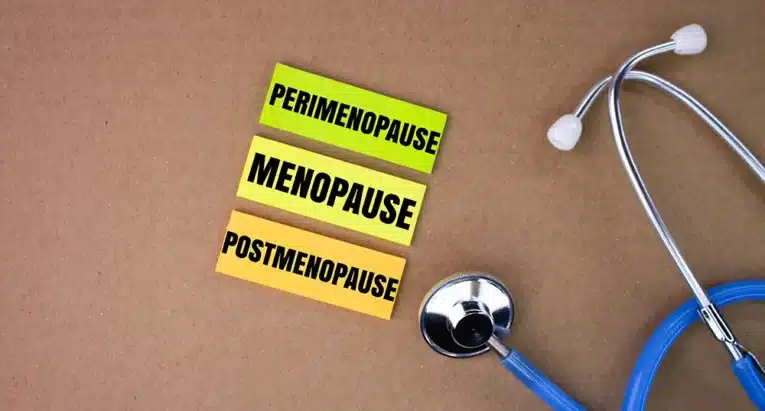
Menopause care in Artesia NM has a new standard — and it starts at AGH’s Vibrant Women’s Clinic. For too long, women in southeast New Mexico navigating perimenopause and menopause had two options: manage symptoms on their own, or make the long drive out of town for specialist support. Neither is good enough.
Reviewed by Laurie Crockett, FNP
Menopause is not a disease. But the hormonal transition it involves — spanning perimenopause through postmenopause — can produce symptoms that significantly affect quality of life, bone health, heart health, and mental wellness. This stage of life deserves personalized, expert attention.
Dr. Scott Beard, MD, FACOG, FPMRS and Laurie Crockett, FNP work together to address the full spectrum of gynecologic and hormonal concerns that arise during this transition. The Vibrant Women’s Clinic provides individualized menopause care for women in Artesia, Carlsbad, Roswell, and across the Pecos Valley.
| 1.3M U.S. Women Reach Menopause Each Year | 10+ Yrs Average Duration of Menopausal Transition | 91/100 AGH CMS Patient Satisfaction Score |
Understanding the Menopausal Transition
Menopause is defined as 12 consecutive months without a menstrual period, typically occurring between ages 45 and 55, according to the North American Menopause Society (NAMS). But the hormonal changes that drive menopause begin years earlier — during a phase called perimenopause.
Perimenopause can start as early as the mid-30s or 40s and typically lasts four to eight years. During this time, estrogen and progesterone levels fluctuate unpredictably, producing a range of symptoms that many women don’t immediately connect to hormonal change.
After menopause, women enter postmenopause — a phase that brings its own health considerations, including increased risk for osteoporosis, cardiovascular disease, and genitourinary changes. Understanding where you are in this transition is the first step toward managing it well.
Common Symptoms of Perimenopause and Menopause
- Hot flashes and night sweats
- Irregular or changing periods (perimenopause)
- Sleep disturbances and insomnia
- Mood changes — irritability, anxiety, depression
- Brain fog and difficulty concentrating
- Vaginal dryness and discomfort during intercourse
- Decreased libido
- Urinary changes — urgency, frequency, or incontinence
- Joint pain and muscle aches
- Hair thinning and skin changes
- Weight changes, especially around the abdomen
Menopause Care in Artesia NM: What to Expect at the Vibrant Women’s Clinic
Every woman’s menopausal experience is different. Some sail through with minimal disruption. Others find symptoms significantly affect their work, relationships, sleep, and daily function. Laurie Crockett, FNP approaches Menopause Care in Artesia NM without a one-size-fits-all formula.
Your first appointment begins with a thorough health history — current symptoms, menstrual history, family history, personal risk factors — and a conversation about your goals. From there, a care plan is built around your specific situation, not a generic protocol.
The Vibrant Women’s Clinic also coordinates with other AGH services where relevant — including bone density testing (DEXA scan), nutrition counseling with Jordan Fuentes, RDN, and behavioral health support. Learn more about the full range of women’s health services at AGH.
Ready to Talk About Menopause Care?
Vibrant Women’s Clinic | Serving Artesia, Carlsbad, Roswell & SE New Mexico | Laurie Crockett, FNP
Call (575) 736-8394 Request an Appointment Online →
Hormone Therapy: What It Is and Who It’s Right For
Hormone therapy (HT) — previously called hormone replacement therapy — remains the most effective treatment for moderate to severe menopausal symptoms, particularly hot flashes and night sweats. It also helps prevent bone loss.
The decision to use hormone therapy is individualized. For women under 60 or within 10 years of menopause onset without certain risk factors, the benefits of HT for symptom relief generally outweigh the risks, according to current NAMS guidance. For women with a history of certain cancers, blood clots, or cardiovascular disease, the risk profile looks different.
Laurie Crockett, FNP helps patients understand their personal risk profile, the different forms of hormone therapy available (systemic versus local, oral versus transdermal), and what to expect. No one should be either pushed into hormone therapy or steered away from it without a thorough, individualized conversation.
Non-Hormonal Treatment Options
For women who cannot or prefer not to use hormone therapy, effective non-hormonal options exist. Certain antidepressants, gabapentin, and other medications have demonstrated effectiveness for hot flash management. Cognitive behavioral therapy has strong evidence for menopausal insomnia and mood symptoms. Lifestyle modifications — exercise, dietary changes, sleep hygiene — play a meaningful role in symptom management.
Genitourinary Syndrome of Menopause (GSM)
Vaginal dryness, discomfort during intercourse, and urinary changes are grouped under a condition called Genitourinary Syndrome of Menopause (GSM). Unlike hot flashes, GSM symptoms often worsen over time without treatment. Local vaginal estrogen therapy is highly effective and carries a different, more favorable risk profile than systemic hormone therapy. This is exactly the kind of nuanced conversation that the Vibrant Women’s Clinic is equipped to have. For women whose urinary symptoms are more complex, a referral to Dr. Beard’s urogynecology program is available on-site.
Bone Health During and After Menopause
The drop in estrogen during menopause accelerates bone loss, increasing the risk of osteoporosis and fracture. Women can lose up to 20% of their bone density in the five to seven years following menopause. This makes bone health monitoring an essential part of menopause care — not an afterthought.
AGH offers DEXA bone density scanning on-site — the most widely used and recognized test for measuring bone mineral density. Laurie Crockett, FNP integrates bone health screening into menopause care plans based on individual risk factors, including family history, body weight, smoking history, and calcium/vitamin D status.
Mental Health and Menopause: The Connection Most Providers Miss
Depression and anxiety are significantly more common during perimenopause than at any other life stage — and they’re frequently underrecognized. For many women, mood changes are the first sign that hormonal shifts are underway, arriving years before their last period.
Laurie Crockett, FNP screens for mood and mental health concerns as a routine part of menopause care. When additional support is needed, AGH’s behavioral health team — including Jennifer Flores, PMHNP-BC (telehealth available) — can provide coordinated psychiatric care.
Women in Artesia and Eddy County deserve menopause care that addresses the whole person — not just the hot flashes.
¿Habla español?
La atención para la menopausia está disponible en la Clínica Vibrant Women’s en Artesia General Hospital.
Laurie Crockett, FNP atiende a mujeres de Artesia, Carlsbad, Roswell y todo el sureste de Nuevo México.
Para hacer una cita, llame al (575) 736-8394.
Menopause Care Near Me: Why SE New Mexico Women Choose AGH
Women searching for menopause care near me in Carlsbad, Roswell, or the Pecos Valley have historically had few options short of a long drive to Albuquerque. The Vibrant Women’s Clinic at AGH closes that gap — bringing expert, individualized menopause care to Artesia, accessible to women across the region.
AGH scores 91 out of 100 on CMS patient satisfaction — highest in southeast New Mexico, ahead of regional competitors. AGH is the only hospital in New Mexico certified as a Great Place to Work®, reflecting a culture of genuine care that patients notice in every appointment. Visit artesiageneral.com/service/womens-health/ to learn more or schedule today.
Schedule Your Menopause Care Appointment at AGH
Vibrant Women’s Clinic | 612 N. 13th St., Professional Building 1, Suite B, Artesia, NM
Call (575) 736-8394 | AGH Main: (575) 748-3333
Request an Appointment Online →
Menopause Care in Artesia NM: Frequently Asked Questions
What menopause care is available in Artesia NM?
Artesia General Hospital’s Vibrant Women’s Clinic offers comprehensive Menopause Care in Artesia NM including hormone therapy evaluation and management, non-hormonal symptom treatment, bone density monitoring, genitourinary syndrome treatment, and mental health coordination. Care is provided by Laurie Crockett, FNP, in partnership with Dr. Scott Beard, MD, FACOG, FPMRS. Call (575) 736-8394 to schedule.
Is there a menopause specialist near me in southeast New Mexico?
Yes. Laurie Crockett, FNP at AGH’s Vibrant Women’s Clinic in Artesia, NM provides expert Menopause Care in Artesia NM for women throughout southeast New Mexico, including patients from Carlsbad, Roswell, and the Pecos Valley. The clinic is located at 612 N. 13th St., Professional Building 1, Suite B, Artesia, NM.
What is the difference between perimenopause and menopause?
Perimenopause is the hormonal transition leading up to menopause, typically beginning in the mid-40s and lasting four to eight years. During this phase, estrogen and progesterone levels fluctuate, causing symptoms like irregular periods, hot flashes, and mood changes. Menopause is officially defined as 12 consecutive months without a period.
Is hormone therapy safe for menopause?
For most women under 60 or within 10 years of menopause onset without certain risk factors, the benefits of hormone therapy for symptom relief outweigh the risks, according to the North American Menopause Society. The right decision depends on your individual health history. Laurie Crockett, FNP at AGH’s Vibrant Women’s Clinic can help you evaluate your options.
Does menopause affect bone health?
Yes. The drop in estrogen during menopause accelerates bone loss. Women can lose up to 20% of their bone density in the five to seven years following menopause. AGH offers DEXA bone density scanning and integrates bone health monitoring into menopause care plans.
Where can I find menopause care near me in Carlsbad or Roswell NM?
AGH’s Vibrant Women’s Clinic in Artesia, NM provides menopause care for women throughout the region, including Carlsbad and Roswell. Call (575) 736-8394 or visit artesiageneral.com/service/womens-health/ to learn more.
Medical Disclaimer
This content is for informational purposes only and is not intended as medical advice, diagnosis, or treatment. Menopause management decisions should be made in consultation with a qualified healthcare provider based on your individual health history. Artesia General Hospital | 702 N. 13th St., Artesia, NM 88210 | (575) 748-3333