

Bone Density (DEXA) Scans In Artesia
On this page
Overview
A Simple, Proactive Step to Protect Your Lifelong Bone Health
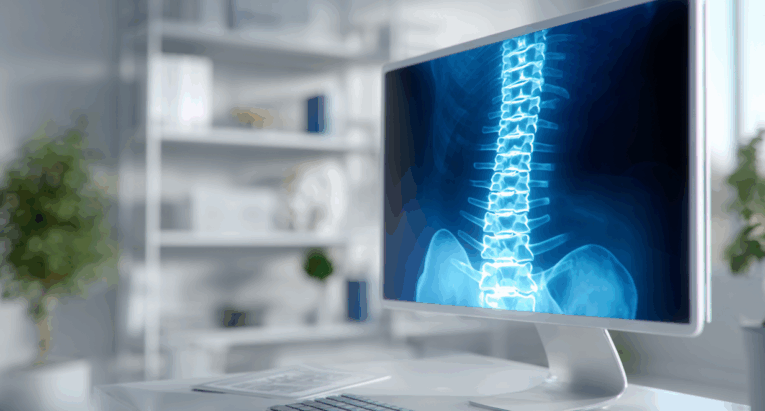
Osteoporosis, a condition that weakens bones and makes them susceptible to fractures, often develops silently over many years. A Bone Density Scan, also called a DEXA scan, is the most accurate and reliable way to diagnose osteoporosis and assess your fracture risk—ideally, long before a break occurs.
At Artesia General Hospital, we use this simple, non-invasive test to empower you with knowledge about your bone health. A DEXA (Dual-Energy X-ray Absorptiometry) scan is a quick, painless exam that uses a very low dose of X-ray to measure the mineral content of your bones, typically in the lower spine and hip. This information helps you and your doctor create a plan to keep your bones strong and resilient for years to come.
Frequently Asked Questions
Who should consider getting a DEXA scan?
A bone density test is generally recommended for women aged 65 or older and men aged 70 or older. However, your doctor might recommend one earlier if you have certain risk factors, such as a family history of osteoporosis, having broken a bone after age 50, long-term steroid use, or certain chronic medical conditions.
How long does a DEXA scan take and is it comfortable?
The exam is very easy and comfortable. You will lie on your back on a padded table for about 10 to 15 minutes while a mechanical arm passes above you. There are no injections, and you remain fully clothed, as long as your clothing has no metal zippers or buttons.
How often should I get a bone density test?
The frequency of follow-up scans depends on your initial results and risk factors. If your bone density is normal, you may not need another scan for several years. If you have osteopenia or osteoporosis, your doctor will likely recommend a repeat scan every one to two years to monitor your bone health and the effectiveness of any treatment.
Can I do anything to improve my bone density?
Yes! Even if you are diagnosed with low bone mass, there is a lot you can do. Regular weight-bearing exercise (like walking or lifting weights), ensuring you get enough calcium and vitamin D in your diet, and avoiding smoking and excessive alcohol consumption are all proven ways to support and improve your bone health.