


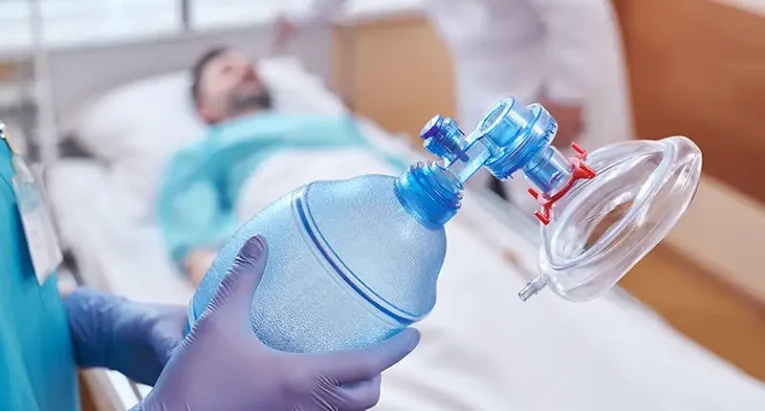
Emergency room triage is the process that decides who gets seen first in the ER. It is not based on who arrived first. At Artesia General Hospital, our ED team uses a structured clinical assessment to identify which patients need care most urgently. If you have ever waited in the ER while someone who arrived after you was taken back first, this post will explain why.
We know waiting is hard. Our goal is to be transparent about how emergency room triage works, so you can trust the process even when the wait feels long. This post walks through how triage decisions are made, what happens behind the scenes of the ER, and what to do if your condition changes while you wait.
What Is Emergency Room Triage?
Triage is a clinical sorting process. When you arrive at the Artesia General Hospital Emergency Department, a specially trained nurse performs a brief assessment. This includes your vital signs, your symptoms, your medical history, your age, and your overall medical risk. Based on this evaluation, you are assigned a triage level that determines how quickly you need to be seen by a physician or advanced practice provider.
Most emergency departments across the United States, including AGH, use a five-level system called the Emergency Severity Index, or ESI. This system is recommended by the Agency for Healthcare Research and Quality and is considered the standard of care in modern emergency medicine. It helps our team match the right level of care to the right patient at the right time.
24/7 Emergency Care in Artesia, NM
AGH’s Emergency Department is open 24 hours a day, 7 days a week. We serve Artesia, Carlsbad, Roswell, Hobbs, and communities across southeastern New Mexico. If you are experiencing a medical emergency, call 911 or come in. We are located at 702 N. 13th Street, Artesia, NM.
📞 Main: 575-748-3333
How the Five ESI Triage Levels Work
- Level 1 is reserved for immediately life-threatening conditions such as cardiac arrest, severe trauma, or active stroke. These patients are seen without delay and typically require a full clinical team working at the same time.
- Level 2 covers high-risk situations such as chest pain, severe shortness of breath, significant bleeding, or altered mental status. These patients are seen within minutes of arrival.
- Level 3 is for conditions that need prompt attention but are not immediately life-threatening, such as moderate abdominal pain, moderate injuries, or dehydration that requires IV fluids.
- Level 4 covers less urgent issues such as simple lacerations, sprains, or ear infections, where patients can safely wait longer.
- Level 5 is for non-urgent conditions that can often be treated in a walk-in clinic or a primary care office.
This is why a person who walks in with chest pain 20 minutes after you may be taken back before you. It is not that your concern does not matter. Rather, their condition carries a higher immediate clinical risk, and our team is trained to respond to acuity first.
Why a Quiet Waiting Room Does Not Mean a Quiet ER
One of the most common questions our team hears is some version of this: “The waiting room looks empty. Why am I still waiting?” It is a fair question, and the answer matters for anyone trying to understand their wait.
The waiting room is only a small part of the Emergency Department. Most of what happens in the ER happens behind closed doors, in treatment rooms, trauma bays, and behind curtains where patient privacy is protected. When the waiting room looks quiet, the rest of the department is often anything but.
What You Cannot See From the Lobby
Ambulance arrivals come through a separate entrance, not the main lobby. A cardiac arrest, a stroke alert, a motor vehicle accident, or a pediatric trauma may have just arrived without anyone in the waiting area seeing it. These patients go directly to a resuscitation or trauma room, where they often require the full attention of multiple nurses, a physician, a respiratory therapist, and imaging staff at the same time.
Patients already in treatment rooms may be in the middle of time-sensitive workups. CT scans, lab draws, cardiac monitoring, stroke imaging, and specialist consults all take time and tie up rooms, equipment, and clinical staff. A patient you never see may be quietly occupying a nurse for 90 minutes of close monitoring while test results come back.
Some patients require one-on-one staff coverage in a private, secure space, such as those being evaluated for behavioral health emergencies. This keeps the patient safe but temporarily reduces the number of nurses available for other assignments. Admissions to the hospital also take time, since the ER team must coordinate orders, medications, and communication with the inpatient team before a patient can leave the ER for an upstairs bed.
As Dr. Baca Jr. often puts it, what you see in the waiting room is not the whole story. The entire ER team may be fully engaged in care that you simply cannot see from the lobby.
Why Was Someone Seen Before Me?
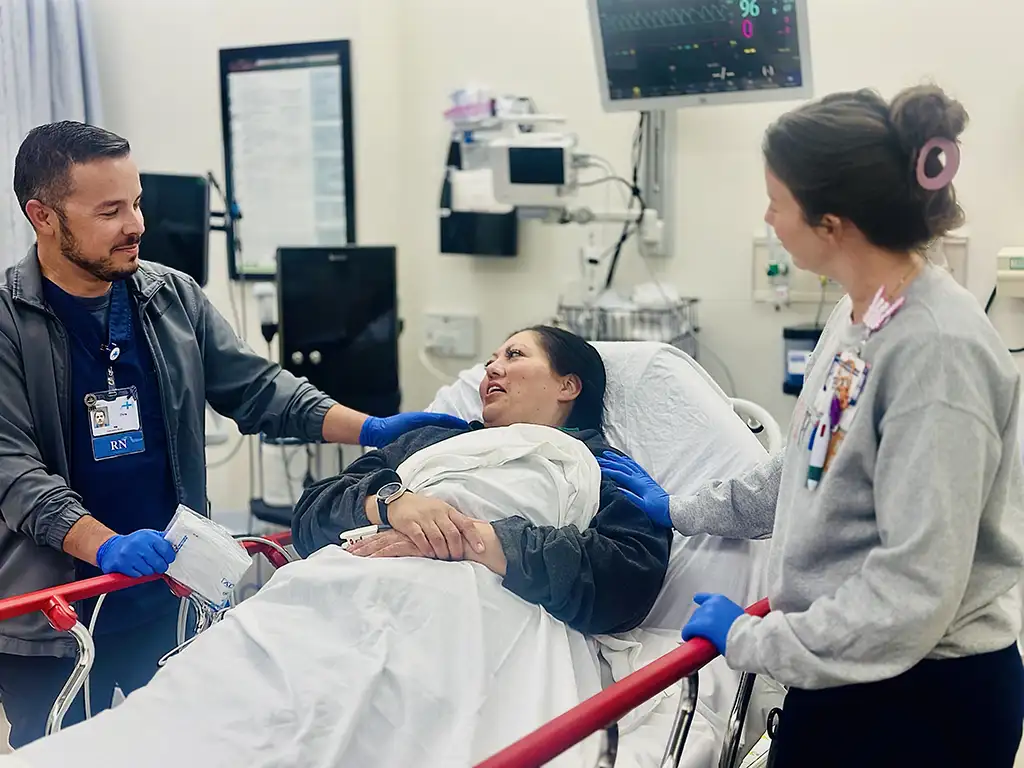
If you arrived at 2 p.m. and the person next to you arrived at 2:20 p.m. and was called back first, one of several things is likely happening. Their triage level may be higher than yours based on a clinical assessment you did not witness. A room may have just become available that matched their needs, such as a cardiac monitoring room or a trauma bay. A staff member with the right specialty, such as a surgeon or a pediatric-trained nurse, may have become free at that moment.
In other cases, test results the other patient was waiting on may have come back and required immediate follow-up, moving them ahead in the queue. None of this means you were forgotten. It means the Emergency Department is doing what it is designed to do, which is to match the right patient to the right resource at the right time.
What to Do if Your Condition Gets Worse While Waiting
Triage is a snapshot in time. Your condition can change while you wait, and our team wants to know if it does. Please tell a staff member right away if you notice new or worsening symptoms. Thes can include chest pain or pressure, shortness of breath that is getting harder, or a severe or sudden headache. Additional signs can include weakness or numbness on one side of the body, slurred speech, facial drooping, new confusion or fainting, uncontrolled bleeding, or a sudden spike in pain.
For children, watch for lethargy, difficulty breathing, poor responsiveness, or a rash that does not fade when pressed. Our nursing team will reassess you or your child. If the condition has changed, the triage level will change, and care will move accordingly. Never hesitate to speak up. A reassessment is always appropriate.
Should I Go to the ER or a Walk-In Clinic?
Not every medical problem needs the Emergency Department. For less severe concerns, a walk-in clinic is often faster, less expensive, and better suited to your needs. In Artesia, Memorial Family Practice is located at the same address as the ER and offers urgent walk-in care for routine and less urgent needs. For patients who are unsure where to go, the safest choice is always the Emergency Department, where our team can assess and redirect you if appropriate.
Go to the ER or call 911 for chest pain or pressure, signs of a stroke such as facial drooping or slurred speech, difficulty breathing, major injuries like broken bones or deep cuts, severe abdominal pain, uncontrolled bleeding, a high fever in a young child or older adult, or any loss of consciousness. These conditions are time-sensitive and benefit from the resources of a full hospital-based emergency department.
A walk-in clinic may be a better fit for colds and coughs, seasonal allergies, minor cuts, simple sprains, ear infections, urinary tract infections, and rashes without other symptoms. If you are ever in doubt, come to the Emergency Department. Our team will assess you safely, and if your condition turns out to be better suited for a clinic, we will guide you from there.

Why Trust Your Emergency Care to Artesia General Hospital?
Artesia General Hospital is a 25-bed critical access nonprofit hospital that has served Artesia and southeastern New Mexico since 1939. AGH is DNV accredited, Great Place to Work certified, and the only hospital in New Mexico to hold that certification. Our ER team includes board-certified emergency physicians, physician assistants, nurse practitioners, and specialty-certified nurses who train continuously in advanced adult and pediatric life support and trauma care.
Dr. Marshall G. Baca Jr., DO, FACEP, FAAEM, serves as Medical Director of the Emergency Department. He is a fellow of the American College of Emergency Physicians and the American Academy of Emergency Medicine. He completed his Emergency Medicine residency at Texas Tech University Health Sciences Center in El Paso, where he served as Chief Resident, and he is fluent in Spanish. Jessica Scoggin, RN, serves as ER Director alongside him, overseeing nursing operations and patient flow.
Our Emergency Department has direct access to onsite Laboratory and Radiology services. These include CT and X-ray, which supports faster and more accurate evaluation. When a patient’s condition requires a higher level of care, AGH maintains established agreements with ground and flight transport services to move patients quickly to regional tertiary centers.
Emergency Room Triage: Frequently Asked Questions
How does the ER decide who gets seen first?
The ER uses a structured clinical assessment called triage. A trained nurse evaluates your symptoms, vital signs, medical history, age, and overall risk, then assigns a triage level. Patients with the most time-sensitive conditions are seen first, regardless of arrival order.
Why is my wait so long if the waiting room looks empty?
The waiting room is only one part of the Emergency Department. Ambulance arrivals, critical care in progress, imaging workups, and behavioral health evaluations can fully occupy the clinical team even when the lobby looks quiet. Most ER activity is not visible from the waiting room.
What is the Emergency Severity Index?
The Emergency Severity Index, or ESI, is a five-level triage system used by most U.S. emergency departments. Level 1 is immediately life-threatening. Level 5 is non-urgent. The system helps clinical teams match the right resources to the right patient at the right time.
What should I do if I feel worse while waiting in the ER?
Tell a staff member right away. Any new or worsening symptom, especially chest pain, shortness of breath, weakness, slurred speech, severe headache, or loss of consciousness, should be reported immediately. The team will reassess you and adjust your triage level if needed.
Can a family member or friend stay with me in the ER?
In most situations, one or two support people are welcome in the treatment area if the ED stall allows. In some critical situations or when space is limited, we may need to adjust visitation for patient safety and privacy reasons.
Should I go to the ER or a walk-in clinic?
For life-threatening or severe symptoms, go to the ER or call 911. For minor illnesses and injuries, Memorial Family Practice and other walk-in clinics are a good choice. If you are unsure, come to the Emergency Department and we will help you decide.
How long will I wait in the AGH Emergency Department?
Wait times vary based on how many patients are in the ER and the clinical severity of their conditions. Our team works to see every patient as quickly as safely possible. We will do our best to keep you informed during your wait, and we reassess patients whose conditions appear to be changing.
Does AGH see pediatric patients in the ER?
Yes. Our emergency team is trained in pediatric life support and regularly cares for infants, children, and teens. For critical pediatric cases that require specialized intensive care, we coordinate transfer to regional pediatric referral centers.
Is AGH’s Emergency Department open 24/7?
Yes. The AGH Emergency Department is staffed 24 hours a day, 7 days a week, 365 days a year, and serves patients from Artesia, Carlsbad, Roswell, Hobbs, and across southeastern New Mexico.
We Are Here When You Need Us
Thank you for allowing AGH to care for you and your family. Our Emergency Department team is committed to treating every patient with skill, speed, and compassion, and to being transparent about how we make care decisions. We appreciate your patience, your trust, and your continued support of your local hospital.
If you are experiencing a medical emergency, call 911 or go to the nearest ER. Learn more about our Emergency Department or find a provider at AGH.
📞 Main: 575-748-3333
Medical Disclaimer: This article is for general informational purposes only and does not constitute medical advice. If you think you are experiencing a medical emergency, call 911 or go to the nearest emergency department immediately. Always seek the advice of a qualified healthcare provider with any questions you may have about a medical condition. Artesia General Hospital is a DNV-accredited nonprofit community hospital located at 702 N. 13th Street, Artesia, NM 88210. Medically reviewed by Marshall G. Baca Jr., DO, FACEP, FAAEM, Medical Director, Emergency Department, Artesia General Hospital, April 2026.